
Frequently Asked Questions
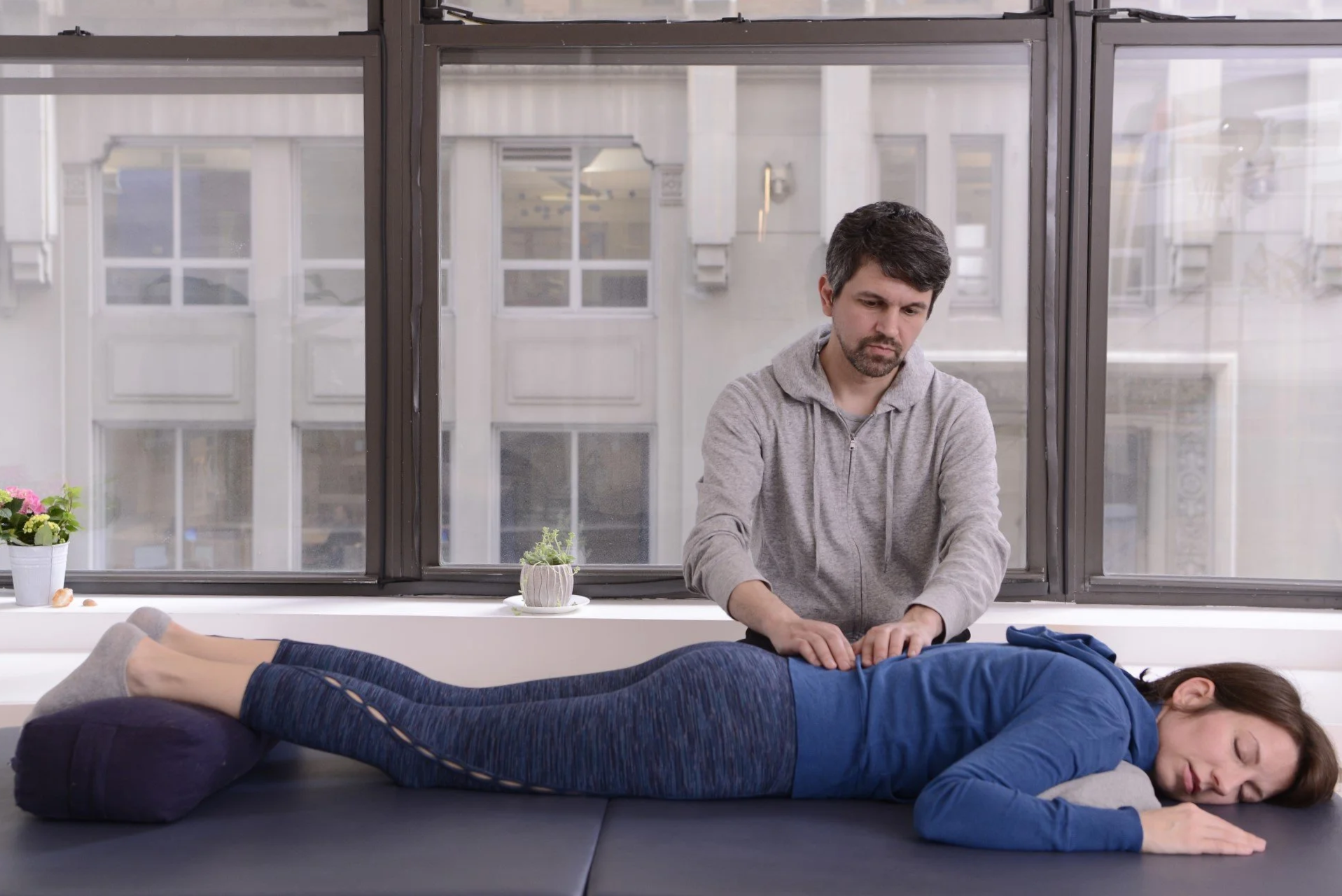
Private Sessions
-
60 minutes
-
After a session, most clients describe feeling more relaxed, refreshed, and aligned in their bodies. You might notice a greater sense of ease in your movements and a release of any unnecessary tension.
-
Private sessions - $175 per hour
In Home Sessions: starting at $250, cost will vary depending on distance
-
There is no need to consciously focus on your movement as you go about your day. Neuroplasticity - ability of the brain to rewire itself to improve your movement(and other habits) operates at an unconscious level. Once a new, more effective way of movement emerges, it will replace the old, less effective way, without you having to think about it.
-
People of any age can benefit from the Feldenkrais Method, because it takes advantage of the intelligence of human brain and the nervous system, which can be accessed throughout lifespan. In my practice I’ve worked with clients ranging from babies with developmental delays and motor difficulties to older adults recovering from stroke and people of various ages who were dealing with various physical discomforts such as back pain, limited range of motion, repetitive strain, poor balance and coordination.
-
Yes, the Feldenkrais Method is adaptable to all levels of ability. Even if you have severe pain or movement limitations, it is still possible to facilitate a safe and effective session that will help you reduce pain and move freer.
-
Absolutely, the Feldenkrais Method can complement other therapies and exercises. Many people find that it enhances their performance in activities like yoga, Pilates, dance, and sports by increasing their body awareness and movement efficiency.
-
Yes, children can benefit greatly from the Feldenkrais Method. Children with developmental delays and motor difficulties can benefit the most from this work: Feldenkrais sessions support each child’s natural learning and help overcome obstacles in their development, without force or imposition. Typically developing children can use support to help improve their movement, posture and coordination and self-regulation in a way that helps deal with sensory and behavioral issues.
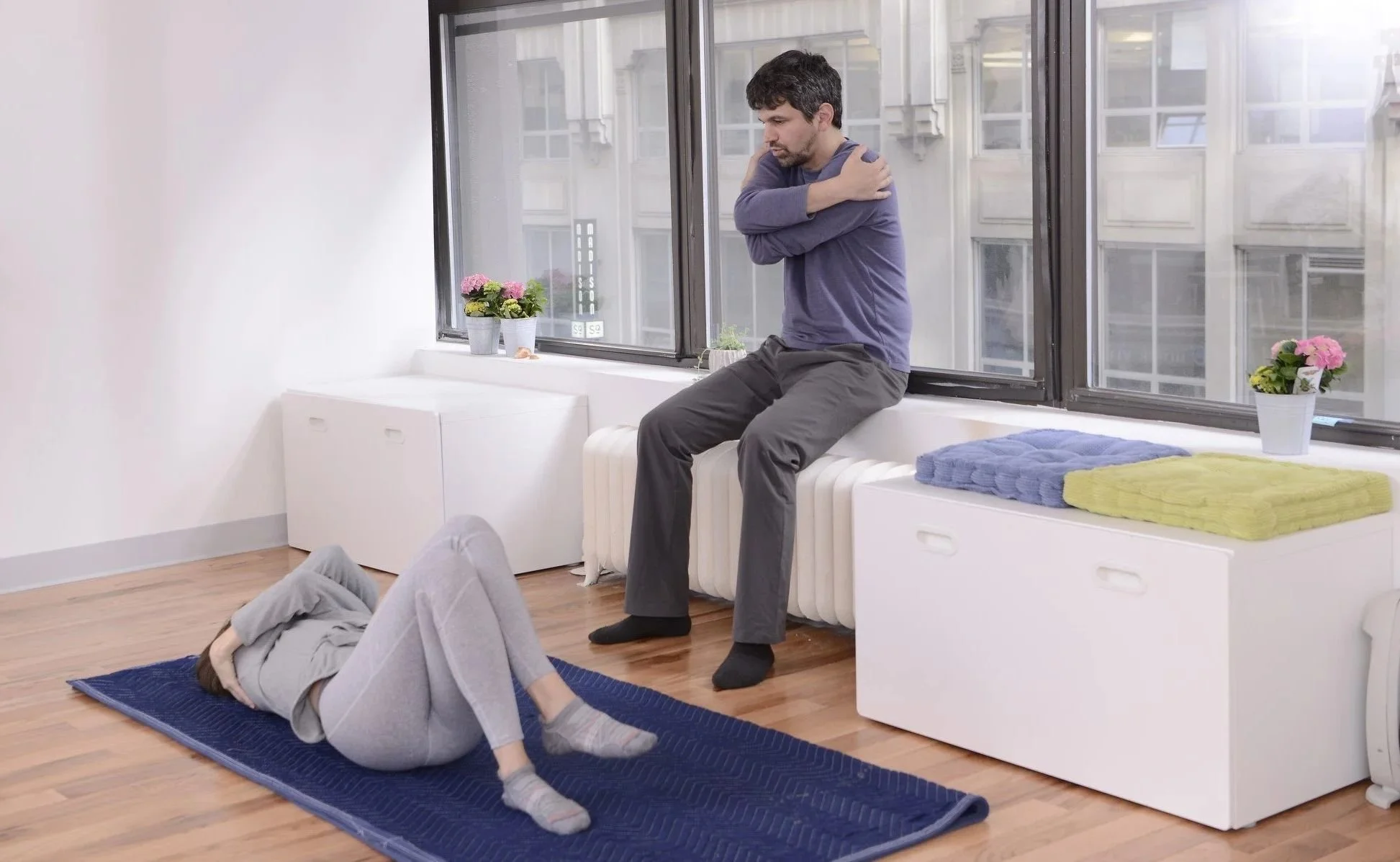
Zoom Classes
-
In this class you’ll be guided through a series of gentle movements done in a comfortable position (usually lying down). As you become more aware of your movement, the way you feel naturally improves: unnecessary tension is released, breathing becomes easier, and your overall state becomes more balanced.
-
Yes. Movements you’ll be guided through are accessible for people of various levels of fitness and ability. You are also encouraged to skip or modify movements that don’t feel good to you for any reason. However, if you have any specific questions or concerns, please don’t hesitate to contact me. I’ll be happy to tell you more about the class and answer questions.
-
It’s best to lie on a blanket, quilt or soft carpet (something softer than a yoga mat)
-
It’s best to take class at least 1 hour after a big meal and to avoid intense physical activity right after class to help integrate what your nervous system learned.
-
Feldenkrais Awareness Through Movement is not an exercise, but an opportunity to help improve quality of your movement, by gently exploring movement. Unlike other modalities, the focus is not on repetition, stretching, or strengthening, but rather on staying in the range of comfort an ease, in order to expand that range by improving overall quality of your movements.
-
No. The goal of each lesson is to help you thoroughly become aware of how you naturally move, in a way that leads to improvement. No special skills required, because each class invites you to move like yourself, only slower and smaller. It’s not difficult physically, because rather than pushing the limits, you explore the range where movement is easy, simple, and efficient.
-
Absolutely not! The beauty of the Feldenkrais® Method lies in its simplicity. Arrive with an open mind and willingness to explore.
-
No, it’s quite the opposite. Feldenkrais is designed to be a gentle and soothing method. It focuses on comfort, ease and your unique experience. The touch is gentle and movements are done in a range that does not require forcing or stretching
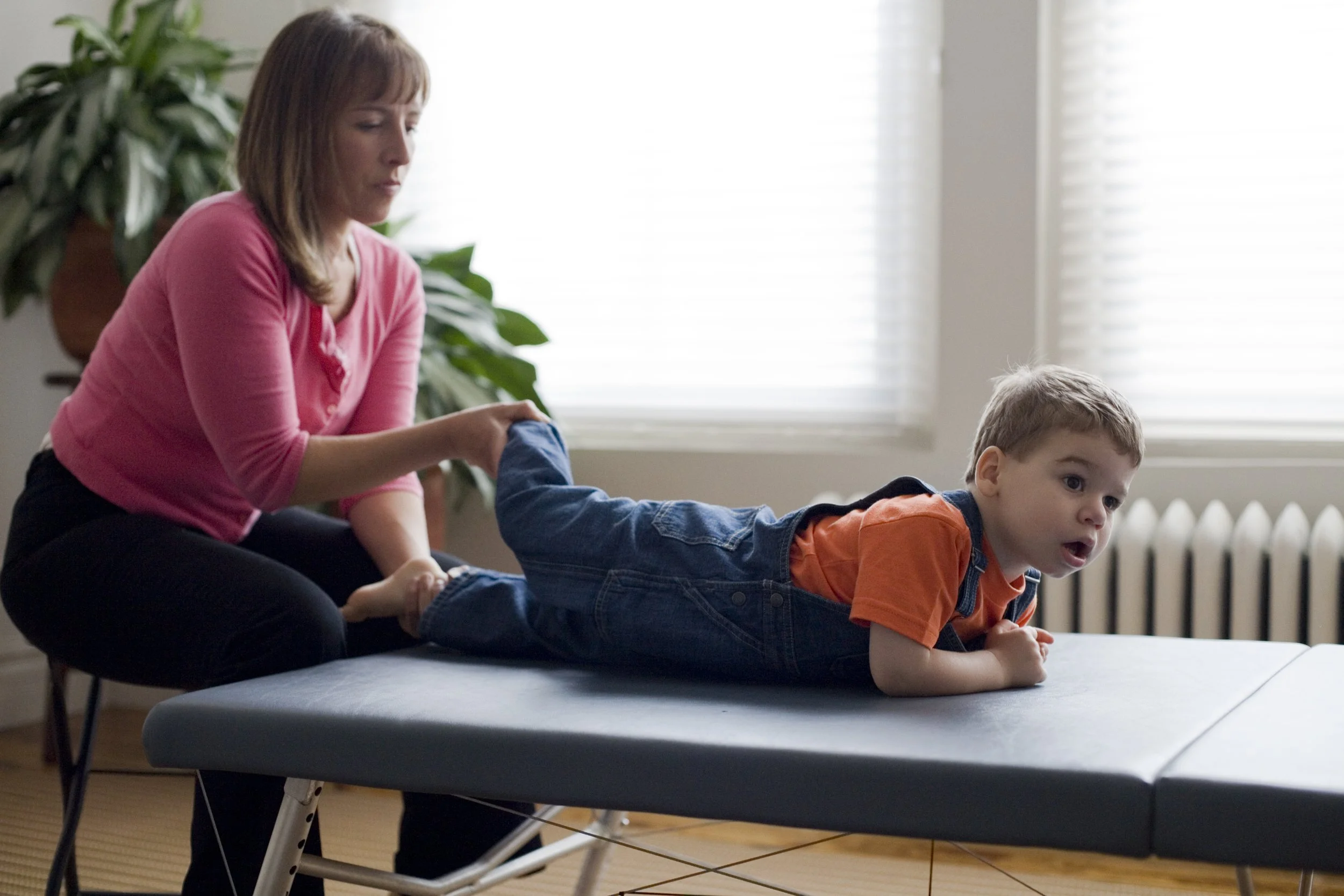
FM for Children
-
Traditional PT often focuses on strengthening specific muscles and practicing tasks; Feldenkrais looks at the whole child and uses soft, precise movements to help the brain discover easier, more efficient ways to move and function.
OT usually targets daily living skills, sensory processing, and fine‑motor tasks, while Feldenkrais quietly improves the underlying coordination, body awareness, and movement patterns that make those tasks more comfortable and achievable naturally.
-
Feldenkrais harnesses the brain's neuro-plasticity to learn more about movement possibilities so it can re-organize old habits and build new pathways, making everyday actions like rolling, sitting, standing, and focusing naturally feel easier and more enjoyable.
-
By filling in missing pieces of developmental movement—like rolling or shifting weight—the work helps the child’s brain build smoother pathways toward the next milestones.
-
No. While many families come with a diagnosis, typically developing children also use Feldenkrais to improve posture, coordination, and self‑regulation.
-
Many children with cerebral palsy benefit from reduced stiffness, better balance, and more options for movement as sessions gently expand what their bodies and brains can comfortably do.
-
Because learning happens in the brain, many gains become a lasting part of how your child moves and lives.
-
Feldenkrais can support autistic children by offering calming, non‑intrusive touch, more organized movement, and improved body awareness, which may ease sensory overwhelm and support communication.
-
Even when a diagnosis is unclear, Feldenkrais sessions can be an effective way to support the movement challenges, giving them new, safe options that can improve comfort, function, and participation.
-
By improving how a child senses their spine, ribs, and pelvis, Feldenkrais can help them find more balanced, comfortable ways of sitting and standing, even if structural curves remain.
-
Yes, Feldenkrais sessions can help improve balance and coordination. As these more general motor skills improve, fine motor skills and activities naturally become easier - children can spontaneously be more interested in manipulating small object, doing crafts, because they are free from general tension, which was costing them a lot.
-
The sooner a child receives gentle support, the more easily their brain can use it, so early intervention, sometimes in the first months of life, is often recommended.
-
Feldenkrais is usually considered a complementary, educational approach that can sit alongside medical care and therapies, adding another layer of support without replacing your child’s existing providers. For some children Feldenkrais sessions can be covered through Office for People With Developmental Disabilities OPWDD https://opwdd.ny.gov/