
The Feldenkrais Method For Children
“If a child isn’t doing certain things, he or she may not yet have the necessary experience that will lead to doing those things. Feldenkrais practitioners aim to provide those missing experiences, understanding that each child is unique.”
Each child develops at their own pace. It can feel discouraging when a child is not hitting certain developmental milestones when compared to their peers. If a child is experiencing delays in their physical development, it could be impacting the child socially or academically. Feldenkrais sessions can offer a unique solution to help your child realize their full potential by supporting and accelerating their natural learning.

Working with the nervous system, not against it
As a Feldenkrais practitioner, my goal is to meet the child where they’re at, ensuring that each session is tailored to the child’s unique needs.
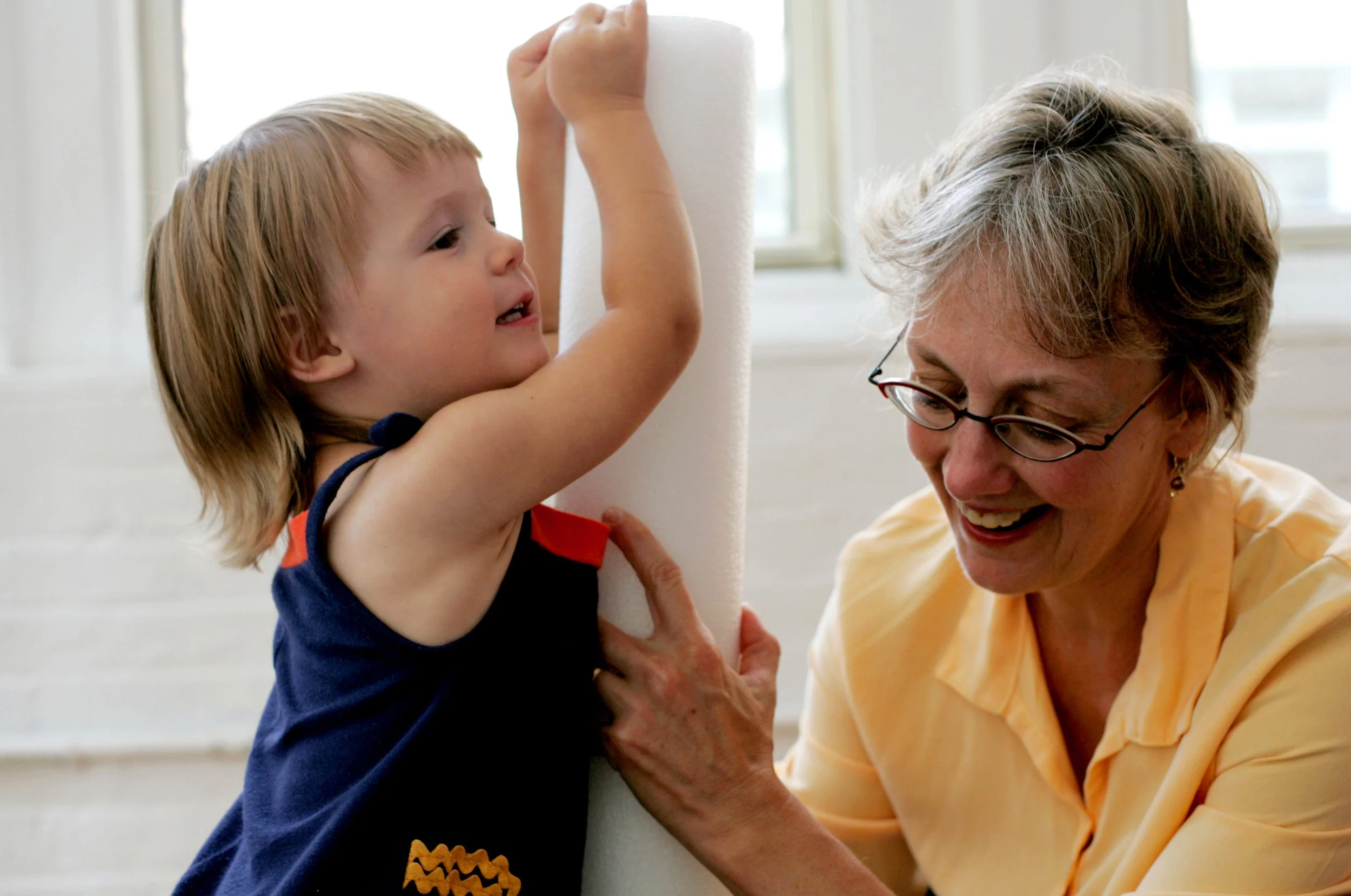
Through gentle touch, I offer non-intrusive feedback to the child’s nervous system, helping them discover new possibilities and improve their movement habits naturally from the inside.
Traditional interventions often try to improve movement habits through corrective adjustments from the outside, which takes longer and often backfires by strengthening the bad habits.
Feldenkrais sessions bring lasting improvements that integrate seamlessly into daily life and allow the child to continue learning and developing naturally on their own.

What to Expect in a Private Feldenkrais Session for Children
During a Feldenkrais session, I choose a position that is comfortable for the child, usually sitting or lying down, and use gentle touch to provide non-intrusive feedback to the child’s nervous system. Throughout the session I make sure that child is comfortable and at ease both physically and emotionally. To achieve that I encourage parents and caretakers to read books or play games, offer snacks, sing songs or talk with their children.
-
You’ll usually see your child lying down, sitting, or playing while the practitioner uses soft touch and simple movements to explore easier ways of organizing posture and action.
-
Baby sessions are often shorter, around 30 minutes. Older children may have 45–60‑minute sessions, always adjusted to their energy and focus.
-
I am happy to briefly comment on the process or provide short answers to parent’s questions during the session. A more thorough discussion is best saved for a different time to make sure that I have my attention available to work with the child and avoid distracting the child. I usually prefer to pick a time for a phone call before or after a session.
Unique Benefits of Feldenkrais for Children
Supporting and Accelerating Natural Development
No two children are the same. Supporting a child’s development by catering to their unique needs is effective and less taxing on the child physically and emotionally. I focus on helping each child become more aware of well-integrated skills and abilities they already have so they can discover new possibilities that feel natural to them. The authentic discoveries they make during a session will naturally become part of the child’s life allowing them to continue learning on their own. Many many positive changes and breakthroughs actually happen between sessions, because children continue integrating newly learned possibilities into their daily life.
-
Traditional PT often focuses on strengthening specific muscles and practicing tasks; Feldenkrais looks at the whole child and uses soft, precise movements to help the brain discover easier, more efficient ways to move and function.
OT usually targets daily living skills, sensory processing, and fine‑motor tasks, while Feldenkrais quietly improves the underlying coordination, body awareness, and movement patterns that make those tasks more comfortable and achievable naturally.
-
Feldenkrais harnesses the brain's neuro-plasticity to learn more about movement possibilities so it can re-organize old habits and build new pathways, making everyday actions like rolling, sitting, standing, and focusing naturally feel easier and more enjoyable.
-
By filling in missing pieces of developmental movement—like rolling or shifting weight—the work helps the child’s brain build smoother pathways toward the next milestones.
-
No. While many families come with a diagnosis, typically developing children also use Feldenkrais to improve posture, coordination, and self‑regulation.
-
Many children with cerebral palsy benefit from reduced stiffness, better balance, and more options for movement as sessions gently expand what their bodies and brains can comfortably do.
-
Because learning happens in the brain, many gains become a lasting part of how your child moves and lives.
-
Feldenkrais can support autistic children by offering calming, non‑intrusive touch, more organized movement, and improved body awareness, which may ease sensory overwhelm and support communication.
-
Even when a diagnosis is unclear, Feldenkrais sessions can be an effective way to support the movement challenges, giving them new, safe options that can improve comfort, function, and participation.
-
By improving how a child senses their spine, ribs, and pelvis, Feldenkrais can help them find more balanced, comfortable ways of sitting and standing, even if structural curves remain.
-
Yes, Feldenkrais sessions can help improve balance and coordination. As these more general motor skills improve, fine motor skills and activities naturally become easier - children can spontaneously be more interested in manipulating small object, doing crafts, because they are free from general tension, which was costing them a lot.
-
The sooner a child receives gentle support, the more easily their brain can use it, so early intervention, sometimes in the first months of life, is often recommended.
-
Feldenkrais is usually considered a complementary, educational approach that can sit alongside medical care and therapies, adding another layer of support without replacing your child’s existing providers. For some children Feldenkrais sessions can be covered through Office for People With Developmental Disabilities OPWDD https://opwdd.ny.gov/
Social-Emotional Skills
Feldenkrais sessions can help address social-emotional concerns. Many children struggle with paying attention in school or getting along with others because they are not comfortable in their body. This can lead to strong emotional responses because they cannot express how they are feeling with words. Feldenkrais sessions help a child feel more at ease, releasing unnecessary tension and improving overall balance and self-regulation along with motor skills. A child who is well-regulated can relate to themselves and others from the place of ease and comfort. Parents appreciate that their children are calmer, more patient, and spontaneously happy to spend more time on activities that used to tire them out.
-
As movement becomes easier and more automatic, a child’s nervous system has more capacity for attention, learning, and flexible behavior in daily life.
-
The quiet, gentle nature of the sessions can be very soothing, giving anxious children a safe way to feel more grounded in their bodies and less flooded by sensations.
-
I slow down, give space, listen, and adapt the session or stop if needed, always prioritizing your child’s sense of safety over “getting through” techniques.
-
As movement and self‑regulation improve, children often take more initiative, try new things, and participate more fully in family, school, and play.
Gentle, Supportive Child-Centered Environment
I focus on creating a playful supportive experience for the child creating a safe and welcoming environment. During their first Feldenkrais session many children and parents might feel nervous or expect a rigorous, demanding, and forceful experience and are pleasantly surprised when that is not the case. Engaging a child in pleasant and fun activities during a session is not a trick. When a child feels safe and happy, their nervous system is most open to new information. And newly discovered skills and states of the nervous system are paired with positive emotions and relaxed state of the body and mind.
-
With children, sessions are more playful, shorter, and shaped around curiosity, comfort, and family context, while still using the same underlying principles of gentle touch, attention, and movement variation used with adults.
-
Babies, toddlers, school‑age children, and teenagers can all benefit from Feldenkrais. Infants often respond beautifully to very gentle lessons that support natural movements such as rolling, sitting, crawling, and early coordination.
-
No. Children benefit from direct sensory and movement experience; their nervous system “gets it” without the need for conscious understanding. The sensory input through touch is an effective way to communicate with the nervous system of a child of any age, whether they are verbal or not. Some children who are verbal might talk to parents or practitioners about their experience and some simply run with it, taking advantage of newly discovered possibilities.
-
Sessions may include toys, songs, games, or pretend play. Before the session we will discuss what is best to bring with you (toys, books, snacks, etc). During the session I follow the child’s interests to make sure they are happy and at ease.
-
I adapt by working in shorter bursts, switching positions, offering new toys and activities, so we never have to force stillness or compliance for learning to occur.
-
Depending on your child’s needs, siblings may join briefly or wait nearby if it’s not disruptive to the session.
Resources
The Feldenkrais Method: How it differs from conventional pediatric therapis
In-depth explanation of how Feldenkrais differs from conventional pediatric therapies, focusing on attention, curiosity, exploration, and moving from one developmental level to the next.
Article that includes interview with
Schedule a consultation
to explore how the Feldenkrais Method can support your child’s unique needs